Friday, September 2, 2011
Blooms For Hope Fundraiser
Labor day weekend is the end of summer and start of fall for most of us. We start thinking of the cool crisp days of autumn and the holidays that follow. We know in February, everyone hopes for an early spring. Through Flower Power Fundraising Inc - if you place orders for your Spring Blooms - 50% of the proceeds will be given to Breath of Hope. With each order they also are sending 10 Tete-a-Tete Daffodils. Fall bulbs are very easy to plant and enjoy in the Spring - it just requires a bit of patience over the winter months. Blooms for Hope Link (Click Here)

Saturday, August 27, 2011
Announcing - Baylee's Birthday Blessings

We have a new Program at Breath of Hope - Baylee's Birthday Blessings
Emily, Baylee's Mommy will be sending out Birthday Cards to all of our families of angels. We never want any of our families to feel like no one remembers. If you are a parent of an angel and on our mailing list, you will receive a card for their birthday. (Please make sure we have an updated address.)
If you would like to be on this list, please feel free to email us at boh@breathofhopeinc.com and put in the subject line - Baylee's Birthday Blessings.
Thank you Emily! (And thank the little spirit behind this too - Baylee!)
Wednesday, August 17, 2011
Blackcreek Mercantile & Trading Company Donating a Portion of Profits to Breath of Hope

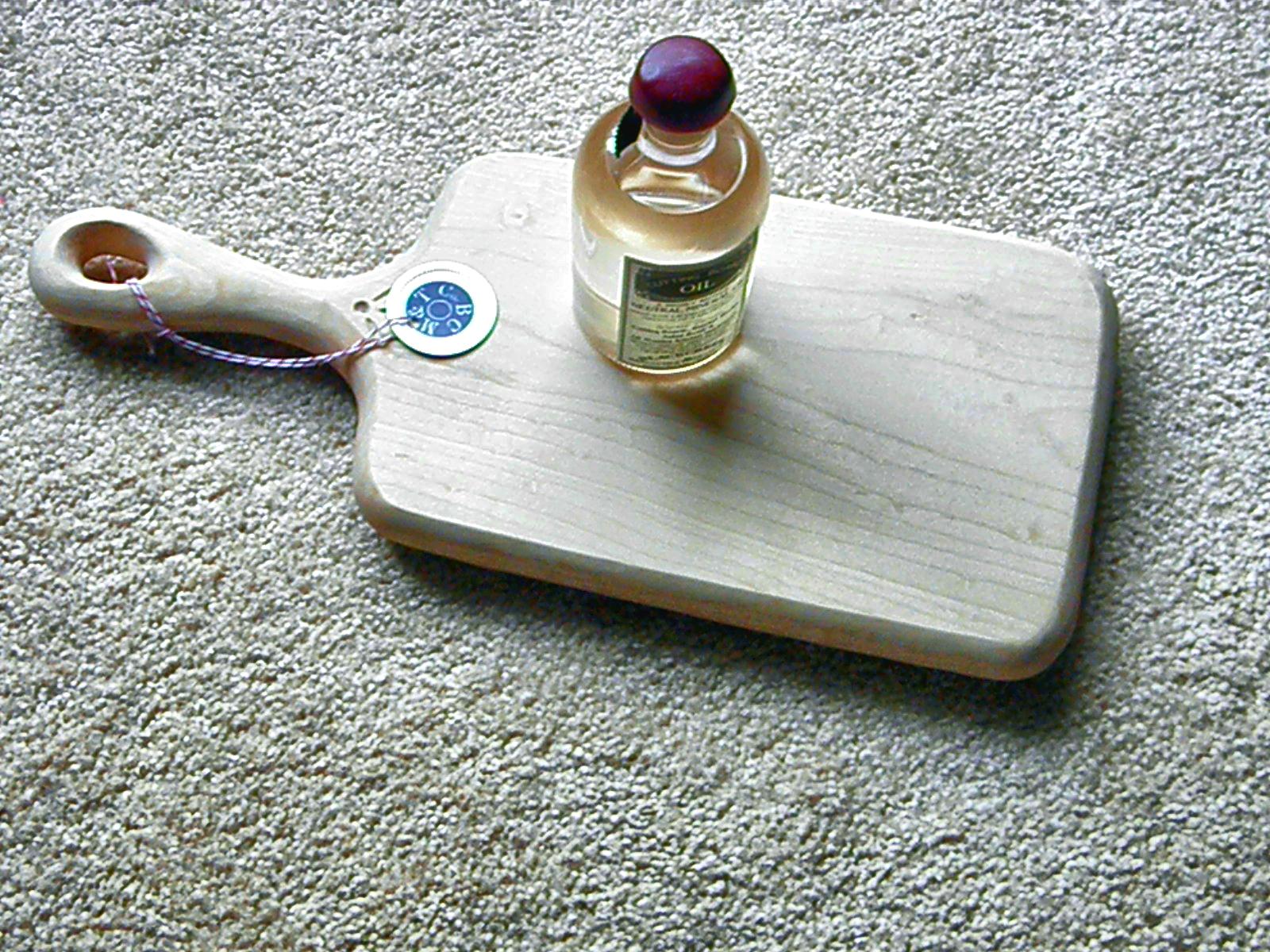

The wonderful folks at Blackcreek Mercantile & Trading Company are donating a portion of their profits for their small products, such as the above pictured cutting board and oil to Breath of Hope through January 1, 2012.
I ordered a cutting board and oil. I adore the cutting board! It is made lovingly with one solid piece of wood, smooth so when I cut my parsley (picture above) for my famous meatballs, it was a dream to cut them! No edges on this board to contend with and it is a perfect size! These are perfect unique gifts for anyone you know! This board will be something you pass down in your family for generations!
Thank you Blackcreek Mercantile & Trading Company!
Sunday, August 14, 2011
The President of the United States: Pass a Resolution for March 31st to be CDH Awareness Day

We realize that each year, writing your Governor and your Mayors for your areas to Proclaim March 31st as Congenital Diaphragmatic Hernia Awareness Day is consistently a constant task. We also know that sometimes in one state, another new family will step up and this gives them the opportunity to receive the Proclamation and the amazing feeling they have when they hold that amazing document! There is a sense of empowerment and achievement! All we ask for is a photo of the document - you keep it!
We also are going to push forward, we want the President of the United States to sign a Perpetual Resolution, we want all of Congress both the US Senate and the House of Representatives to pass the resolution to make March 31st that day. A day we reflect, remember, rejoice, celebrate and make all aware of the amazing families affected by CDH.
We have again created a new Petition which will send an email to your Representatives in Congress and to the President to make this day happen. We are seeking at least 5,000 signatures. We are asking anyone who would like to push this further and personally call their Representatives to contact us for the sample letter and sample Resolution. We also ask anyone who would like to turn their State Turquoise for CDH Awareness Day 2012, to contact us for a Sample Letter and Sample Proclamation to contact us too. Making it personal does help further this cause!
Please feel free to go to this link here at Change.org and sign and you can contact us at cdhawareness@breathofhopeinc.com to get the sample documents.
Thank you for all you do everyday to help educate the public, further awareness of this birth defect. We still have a long way to go but we are making progress!
Sunday, August 7, 2011
Have You Had to Explain CDH to a Health Professional?
We are requesting any family member or caregiver who has had to explain congenital diaphragmatic hernia to a health professional, to please contact us at boh@breathofhopeinc.com with your "testimonial". We are working on grants and intend to use these testimonials to show that not only the general public needs to be made aware of CDH but health professionals too.
It is shocking for parents to take their CDH survivor to an ER and have to explain their child's health history, this could be a matter of life or death. It is unnerving that some parents have had to explain CDH to an ultrasound tech or an OB doctor. This needs to change. It could be a matter of life or death.
If you have such an experience, please contact us so we can make this change!
Thank you!
Sunday, July 10, 2011
What to Expect After Bringing a CDH Baby Home - the Basics
The following is from Breath of Hope's Bringing Home a CDH Baby and is based on the American Acadamy of Pediatrics Postdischarge Follow-up of Infants with Congenital Diaphragmatic Hernia. We also caution parents, all of these children are different and each one brings their own unique situation to the management of their care. This is a generalization, but as with all the books and publications out there, it should act as a guide and as information, not as an individual assessment.
The most common issue these babies may have is gastresophageal reflux/foregut dysmotility – it is reported to occur in 45% to 90% of infants with CDH. Reflux can be treated with medications, and many parents also use some sort of angle bed – raised head after and during the feeds. As these babies grow, they can outgrow reflux. But, if it becomes severe, a surgical procedure called fundolopation may be necessary. This is being done less today than ten years ago due to the advancement of medications.
The most common issue these babies may have is gastresophageal reflux/foregut dysmotility – it is reported to occur in 45% to 90% of infants with CDH. Reflux can be treated with medications, and many parents also use some sort of angle bed – raised head after and during the feeds. As these babies grow, they can outgrow reflux. But, if it becomes severe, a surgical procedure called fundolopation may be necessary. This is being done less today than ten years ago due to the advancement of medications.
A high percentage of these children are underweight – in one clinical study over 50% of CDH infants weighed below the 25th percentile. The most important thing for these babies is to have the nutrition they need for growth – they may need NG Tubes or Gtubes for feeding. Please do not take this personally; we all want oral feeding to happen, but you must remember that it is most important that they grow and thrive as much as possible. Eating could be a challenge. Fighting your infant to take a bottle or nurse to the point that it compromises their growth is not worth the stress. It is more important for your love and cuddling to be felt than for them to feed orally from their parent. If your child is a great oral feeder, that is wonderful. Growth helps these babies and their lungs. Always remember that reflux could cause your child to refuse to eat, too. At high school graduation, no one speaks of how much or how their child ate as an infant or a toddler.
Upper gastrointestinal study, pH probe and/or gastric scintiscan should be considered for all CDH Infants before discharge and at 1-3 months after birth if symptoms, 4-6 months after birth if symptoms, at 9-12 months after birth to be considered for all patients, 15-18 months if symptoms, and annually through age 16 if symptoms.
Esophagoscopy should be considered if there are symptoms at 1-3 months after birth, 4-6 months after birth, at 9-12 months after birth if symptoms or if there are abnormal gastrointestinal evaluations, at 15-18 months after birth, and annually through 16 years if symptoms.
Oral Feeding Evaluations should occur before discharge, 1-3 months after birth, 4-6 months after birth, 9-12 months after birth, 15-18 months after birth, and annually until age five.
Hearing Loss can be a concern and should be evaluated in these infants who survive CDH. It can occur even if they were not treated with ECMO. The cause remains for the most part unknown. It could be several factors including the treatment for respiratory failure and/or combination of medications they may have taken. Almost half of these infants may have some degree of hearing loss. They should be evaluated before discharge and every six months to age three, then annually to age five. Early discovery of any hearing loss will allow early intervention which will help their development.
Developmental Screening Evaluations should occur before discharge, then 1-3 months after birth, 4-6 after birth, 9-12 months after birth, 15-18 months after birth, and then annually to age 5 depending upon their assessments.
Pulmonary function testing should be at 4-6 months after birth if indicated, 15-18 months after birth if indicated, and annually through age 16.
RSV prophylaxis immunizations should be done prior to discharge throughout RSV season during the first 2 years after birth (if evidence of chronic lung disease).
During cold, flu and RSV season, many parents isolate their CDH babies and young children from the general public as well as anyone who may have a virus, cold, or bacterial infection. Hand sanitizer will become a staple in your household. Others may be critical of you as a parent because you will appear to be overly cautious about your child’s exposure to any cold symptom. But, parents of these children will tell you it is better to be overly cautious and appear rude to some than to rush your child to the hospital ER in respiratory distress. A simple cold in CDH babies and young children may develop into pneumonia. Their lungs are already fragile. For a baby without CDH, pneumonia is serious, but for a CDH baby, it can be deadly.Scoliosis and chest wall deformity screening (physical exam, chest radiograph, and/or computed tomography of the chest) should be in follow-up care at 9-12 months after birth (or sooner if you notice something abnormal) and annually to age 16. When the diaphragm forms in development, so does the spine. It is believed that scoliosis may occur in approximately 17-27% of CDH survivors. It is important to follow up with their care and early intervention is best.
Most parents of CDH infants and children fear reherniation, and it has been reported in 8% to 50% of patients with CDH. One predictor is a large defect that requires a patch to repair. If your infant or young child has increased reflux activity, decreased feeding, increased gagging, or you hear crackling noise in their chest as they breathe – take them to the doctor. These are just a few symptoms that have been reported prior to diagnosis of recurrent diaphragmatic hernias. Monitor and record any changes to relay to the doctor(s). If you truly feel something is not right, insist upon x-rays for your peace of mind. Occasionally there are children who have no symptoms who will require surgery for a recurrent diaphragmatic hernia. The lifetime risk of recurrence is not known. There are many children who have never had an incident, but it best to be overly prepared with information.
Bowel obstructions or adhesions are also something that happen in these children and usually are rapidly symptomatic. The explanation of this is that their intestines are usually herniated. When the initial repair is done, they are pushed back to the lower thorax. In this process and through growth, sometimes problems occur. Be aware of any intense pain your child might have in their stomach area. If accompanied with fever, no bowel movement, or blood in the stool, immediately get them medical attention.
Pectus excavatum – sunken appearance of the sternum can be prevalent in CDH children. Most of the time it is more cosmetic but in some cases the heart is displaced. The Mital valve prolapse could be present and there is a decrease in lung capacity. Surgery might be recommended.
Psychological Issues Parents have reported that many of their children have sensory issues. They may not like their hands or feet being held – for fear that an IV will be coming next. They associate someone holding their hand or foot with pain to come soon. They may have issues with certain fabrics or textures and touching them. Some have reported to have mild to very severe oral aversions. Sometimes it is anything in their mouths, and sometimes it is just certain textures. There are many therapists now that specialize in children who have had medical issues and the stress they feel after.
If your child has had multiple surgeries and procedures, this could be a huge issue. Age has a whole lot to do with their reactions, but there are things you can do to help your child. One mother trached a Teddy Bear for her son and gave him a toy medical kit to help him. You can also request that any IVs or surgical procedures be done in another room, not their hospital room if they are older. This way they can feel “safe” in their hospital room. Never feel that you should be quiet or that you don’t know your child. If you feel you should say something – SAY IT. You know your child better than anyone. Remind health professionals that yes, your child is their patient but your child is your baby – always. There is a connection between parents and children that the best health care professionals know could help them in the care for their patient.There are also parents who obtain copies of their child’s medical records. We would recommend not only to have the hard (paper) copies but to also save them on a CD. There are some parents who even provide copies of these CDs to any new doctors that might come into their child’s life. It saves time and also a parent giving the entire history. Not all hospitals are on-line with one another nor or all doctor’s offices and until they are parents must be the source. This is one idea which could make life easier.
Therapies All children who spend any amount of time in the NICU should also be evaluated prior to discharge and shortlysee if they qualify to receive or may need any sort of physical thereapy. Do not be disappointed if your child needs some sort of follow-up and therapy, by getting these services for them early, many times it improves their lives, yours too and avoids or prevents serious issues in the future.
A Humorous but Very Real Warning - CDH survivors are the most defiant, determined and embody the strongest wills as individuals. As parents, you may be at your wits ends during the terrible twos, troublesome threes, and beyond. Enjoy it, that is what gets these children through life!
Breath of Hope, Inc. ©
A Humorous but Very Real Warning - CDH survivors are the most defiant, determined and embody the strongest wills as individuals. As parents, you may be at your wits ends during the terrible twos, troublesome threes, and beyond. Enjoy it, that is what gets these children through life!
Tuesday, June 14, 2011
Post Traumatic Stress Disorder - NICU Parents
"Experience of a threatening situation that goes beyond the bounds of the individual coping strategies and is accompanied by a sense of helplessness and defenseless abandonment." - Yehuda, 2002
During the Congenital Diaphragmatic Hernia Summit in Philadelphia last June, one of our presentations touched on the simple fact that many parents of children who spend time in the NICU experience Post Traumatic Stress Disorder. The extent of their PTSD depends on the person, their experiences in life, if they have had depression or any other issues prior and also sometimes the length of time.
Sometimes just discussing this with others who understand helps. Many times, months later, friends or family are expecting you to "get over" your experience, but this isn't the case. It is ingrained in your memory, your thoughts and is part of your child's life. It doesn't matter if your child survived or not, it is the fact that you survived and coped.
Here are several articles on the subject:
For Parents on NICU, Trauma May Last by Laurie Tarkin NY Times, August 24, 2009
Acute Stress Disorder Among Parents of Infants in the Neonatal Intensive Care Nursery © 2006 Academy of Psychosomatic Medicine
Parents of NICU Babies Often Experience PTSD - KSMU, Jennifer Moore, May 7, 2010
There are three groups of symtom criteria reqired to assign the diagnoses of PTSD:
We can't count how many parents after their child has been diagnosed, suffer sleeplessness, nightmares, sometimes lashing out for no reason to their partners or others. They all have a hard time concentrating on items due to the simple fact their child's life was in flux. To see your child hooked up to monitors and machines is traumatic. The NICU is a war zone, where there could be death at every turn. The lows are of the lowest lows and occasionally the highs are very high and there is no middle ground.
How do these families cope? Sometimes by joining support groups, talking to friends who will listen and understand and occasionally seeking the help of a therapist.
During the Congenital Diaphragmatic Hernia Summit in Philadelphia last June, one of our presentations touched on the simple fact that many parents of children who spend time in the NICU experience Post Traumatic Stress Disorder. The extent of their PTSD depends on the person, their experiences in life, if they have had depression or any other issues prior and also sometimes the length of time.
Sometimes just discussing this with others who understand helps. Many times, months later, friends or family are expecting you to "get over" your experience, but this isn't the case. It is ingrained in your memory, your thoughts and is part of your child's life. It doesn't matter if your child survived or not, it is the fact that you survived and coped.
Here are several articles on the subject:
For Parents on NICU, Trauma May Last by Laurie Tarkin NY Times, August 24, 2009
Acute Stress Disorder Among Parents of Infants in the Neonatal Intensive Care Nursery © 2006 Academy of Psychosomatic Medicine
Parents of NICU Babies Often Experience PTSD - KSMU, Jennifer Moore, May 7, 2010
There are three groups of symtom criteria reqired to assign the diagnoses of PTSD:
- Recurrences - re-experiencing the trauma (for example, reoccurring nightmares, flashbacks or something that triggers the traumatic event).
- Avoidance - to the point of having a phobia places, people and experiences that remind the sufferer of the event or a general numbing of emotional responses.
- Chronic physical signs of hyper arousal, including sleep problems, irritability, anger, poor concentration, blackouts, difficulty remembering things, trouble concentrating, increased tendency and reaction to being startled, hyper vigilance (excessive watchfulness) to threat.
We can't count how many parents after their child has been diagnosed, suffer sleeplessness, nightmares, sometimes lashing out for no reason to their partners or others. They all have a hard time concentrating on items due to the simple fact their child's life was in flux. To see your child hooked up to monitors and machines is traumatic. The NICU is a war zone, where there could be death at every turn. The lows are of the lowest lows and occasionally the highs are very high and there is no middle ground.
How do these families cope? Sometimes by joining support groups, talking to friends who will listen and understand and occasionally seeking the help of a therapist.
Thursday, April 28, 2011
Jaxson's Jog in Pennsylvania

| Jaxson's Jog is 10K, 5K Run plus a 2.5 Mile Walk in Support of Children with Congenital Diaphragmatic Hernia (CDH). Your registration makes a difference! All proceeds benefit Global CDH. 2011 Race News:
| ||
There are several available sponsorships available. Our sponsorship goal is $2000. If just 20 businesses donated $100 we would meet our goal! Let us share the benefits with you today! email sarah@jaxsonsjog.com for more information. Website: http://www.jaxsonsjog.com |
Rounds for Ryann - Golf Tournament in Illinois

All proceeds go to St. Louis Children's Hospital DHREAMS program, research for Congenital Diaphragmatic Hernia.
Saturday, April 2, 2011
For A Breath of Hope - CDH Awareness


This picture is of the CHOP SDU decked out in their Turquoise - and from what we have heard - all CDH babies received onsies in the same style! (Thank you Dr. Hedrick!)

And here is Saint Louis Fetal Care staff in their turquoise on March 31st too!

This was just an awesome picture shared!

This is Emma making sure the Proclamation from Beuna Vista is correct! So serious!
If you have pictures of you in turquoise - you would like to share - please feel free to contact us! We love this. We sincerely hope the hospitals out there promoting CDH Awareness Day received significant donations for their research. That is the result we hope Congenital Diaphragmatic Hernia Awareness Day would have - to bring dollars to research to find answers - and to give hope!
Subscribe to:
Posts (Atom)